JOINING THE FIGHT AGAINST ALS!
“Loving John is…full of hard truths, difficult topics, and so much joy…”
— VIDEO LIBRARIAN

A DOCUMENTARY ABOUT LIFE, LOVE AND A TICKING CLOCK



Watch the Trailer
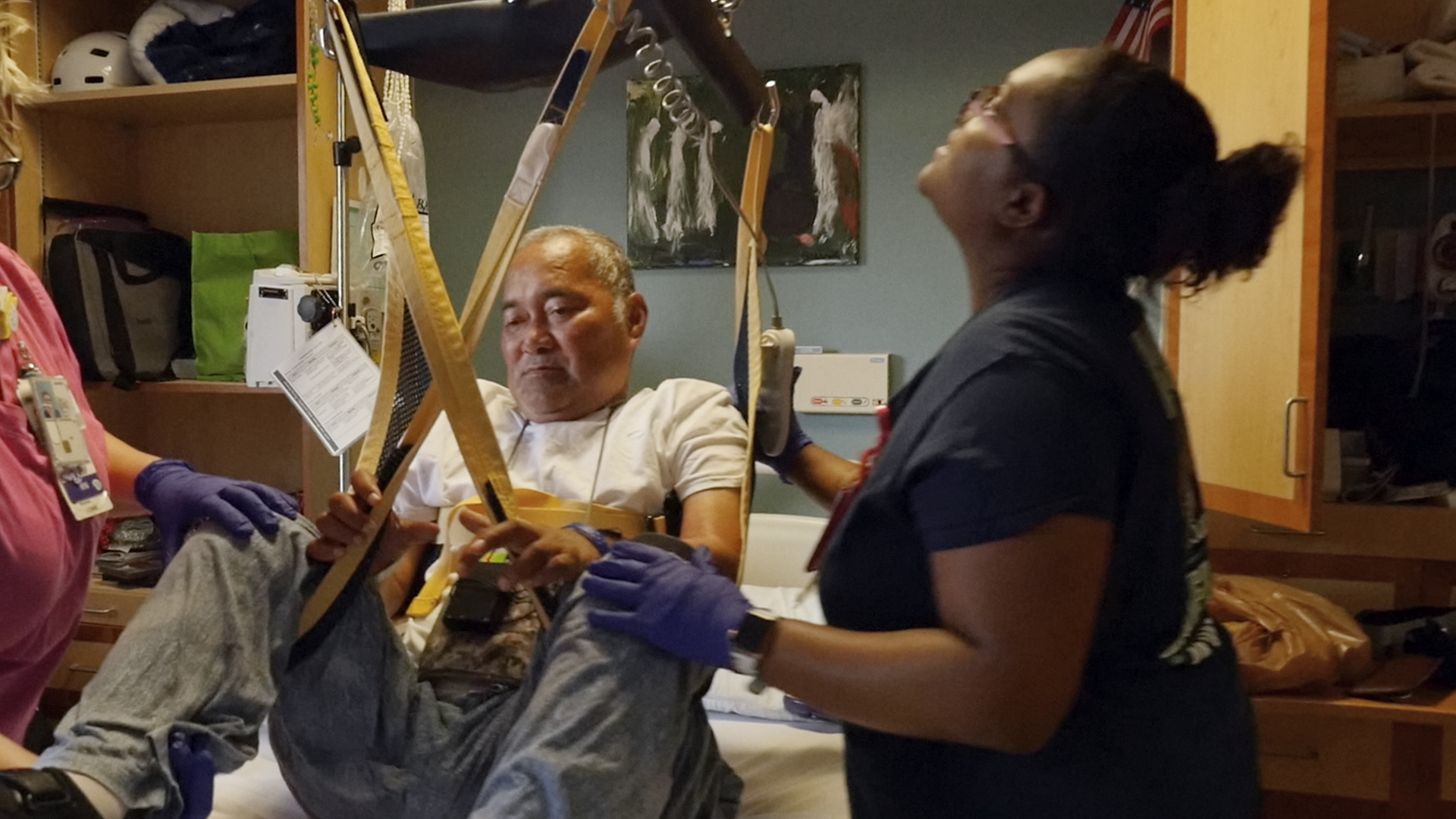
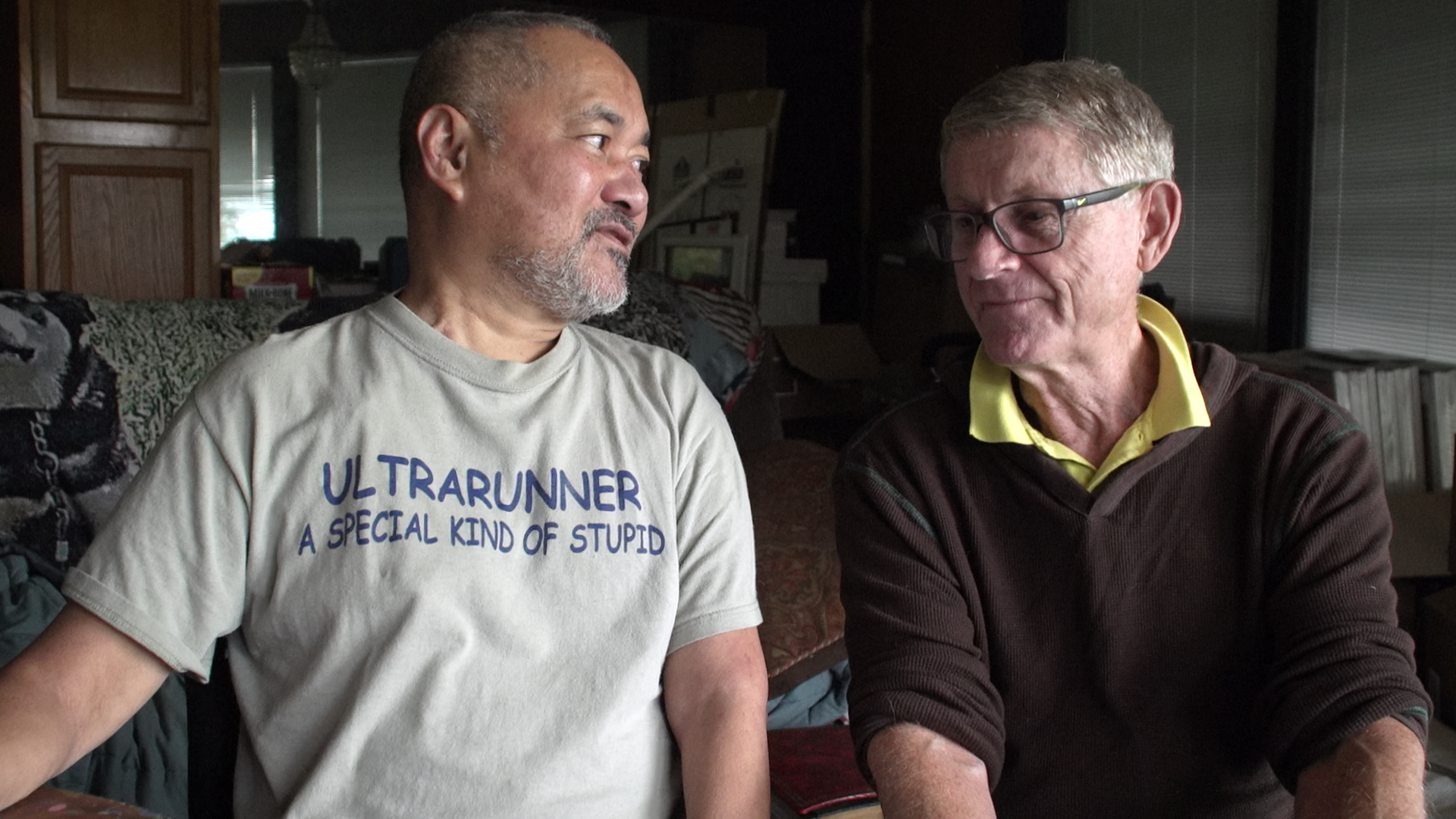
LOVING JOHN, a PBS documentary, profiles John Godinet and his husband Peter as they face the end of John’s life. John has ALS (Lou Gehrig’s Disease), a terminal disease, and his health is declining rapidly. As the inevitable draws near, it becomes painfully clear that there are critical life-and-death decisions for which they are unprepared.
Americans consistently say end-of-life planning matters — and then do nothing to address it. Very few have communicated their end-of-life wishes. Many families are simply unprepared – emotionally and legally – when an end-of-life crisis occurs. In Peter and John’s case, this has agonizing consequences.
The Inevitable

“…this really was not optional…it’s either do it or die. That’s the reality of it.”
— PETER, John’s Husband
For persons living with ALS and other terminal illnesses, completing an advance directive can be an act of empowerment – a chance to think through and plan for the course of the disease and to express their wishes to loved ones while they’re still able to communicate. And, for family members, it can ease uncertainty and possibly even feelings of guilt or resentment.
The Value of a “DNR”
If a patient doesn’t want medical professionals to employ “heroic measures” to keep them alive, a DNR (Do Not Resuscitate) form is critical. It should be posted in a visible place at home and in medical records. It’s perfectly fine to NOT issue a DNR as long as a patient has considered the option. But choices may change over time; it’s important to keep revisiting this with loved ones and health professionals.
Taking Control
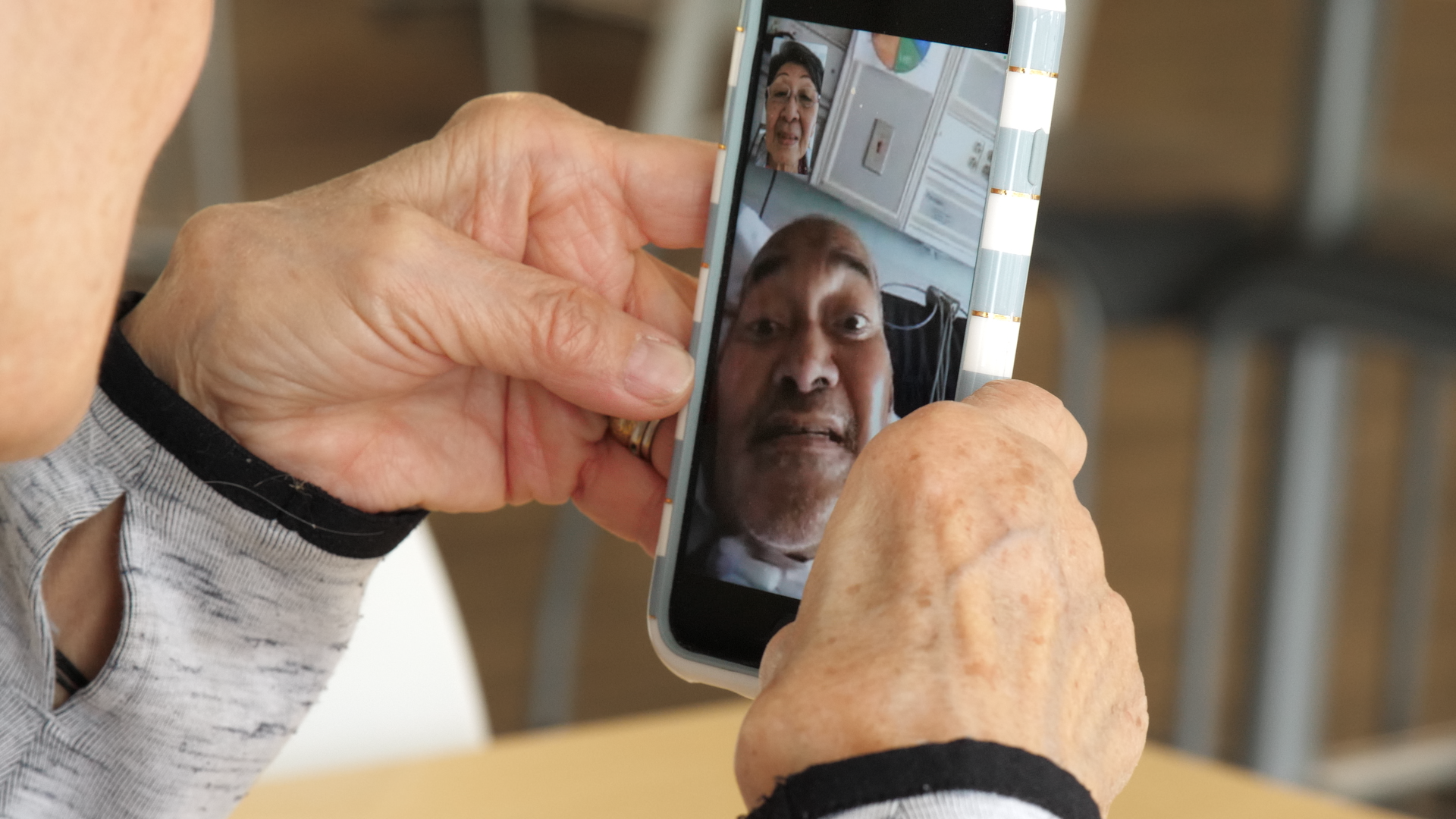
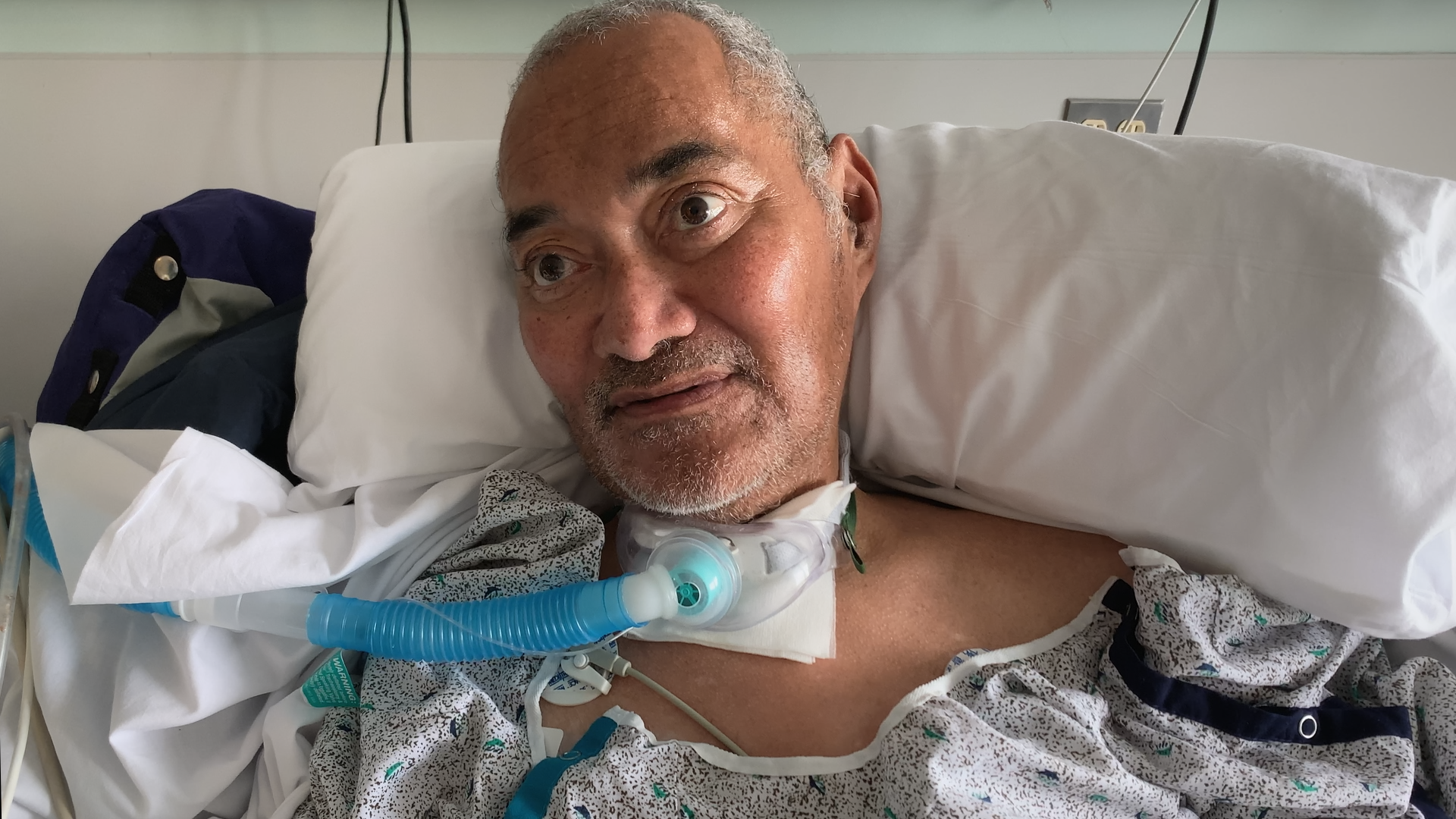
“There may come a…time where I can no longer care for him at home.”
— JOHN GODINET
Beyond Advanced Directives
It’s not just up to patients to become informed about and insistent upon their choices. Health professionals must serve patients well, thoroughly laying out available options, respecting patients’ choices, and doing their best to make care compassionate – including the use of palliative care even in emergency settings.
Currently, in thirteen states and Washington, D.C., end-of-life decision-making includes the option to request medical assistance in dying – provided that patients face six months or less to live, are mentally competent adults, receive confirmation from two qualified health care providers, undergo a waiting period, and are physically able to self-administer the life-ending medication. This, of course, is a complex and deeply personal issue that at very least demands to be openly discussed.
An Honest and Complicated Film
In LOVING JOHN, one challenge leads to another. Life as an aging gay couple adds a singular dimension to John’s growing disability and Peter’s caregiving burden, coming to a head as end-of-life decision-making looms. As veterans, they both draw strength from the VA’s involvement. As a Pacific Islander, John gains strength from his family and culture, while struggling to weather the effects of sexual trauma and discrimination.
“It’s time to share the way we want to live through the end of our lives… the place for this to begin is at the kitchen table—not in the intensive care unit.”
— THE CONVERSATION PROJECT, Institute for Health Improvement
Join Us!
The LOVING JOHN team is committed to ensure that everyone is informed, empowered and engaged so they can attain end-of-life healthcare that is consistent with their values and priorities. And to ensure equal access to everyone, regardless of race, age, gender identity or disability.
LOVING JOHN is a powerful tool that can be used a number of ways:
National PBS Broadcast reaching millions of viewers;
Screenings & Panel Discussions in partnership with colleges and universities;
Community Fundraisers with aligned organizations;
Custom Educational Tools for communities across the country.
Reach Out for More Information