IN SUPPORT OF FAMILY CAREGIVERS!
“Rarely [elsewhere] does the role of ‘caregiver’ get the representation it deserves.”
— VIDEO LIBRARIAN

A DOCUMENTARY ABOUT LIFE, LOVE AND A TICKING CLOCK


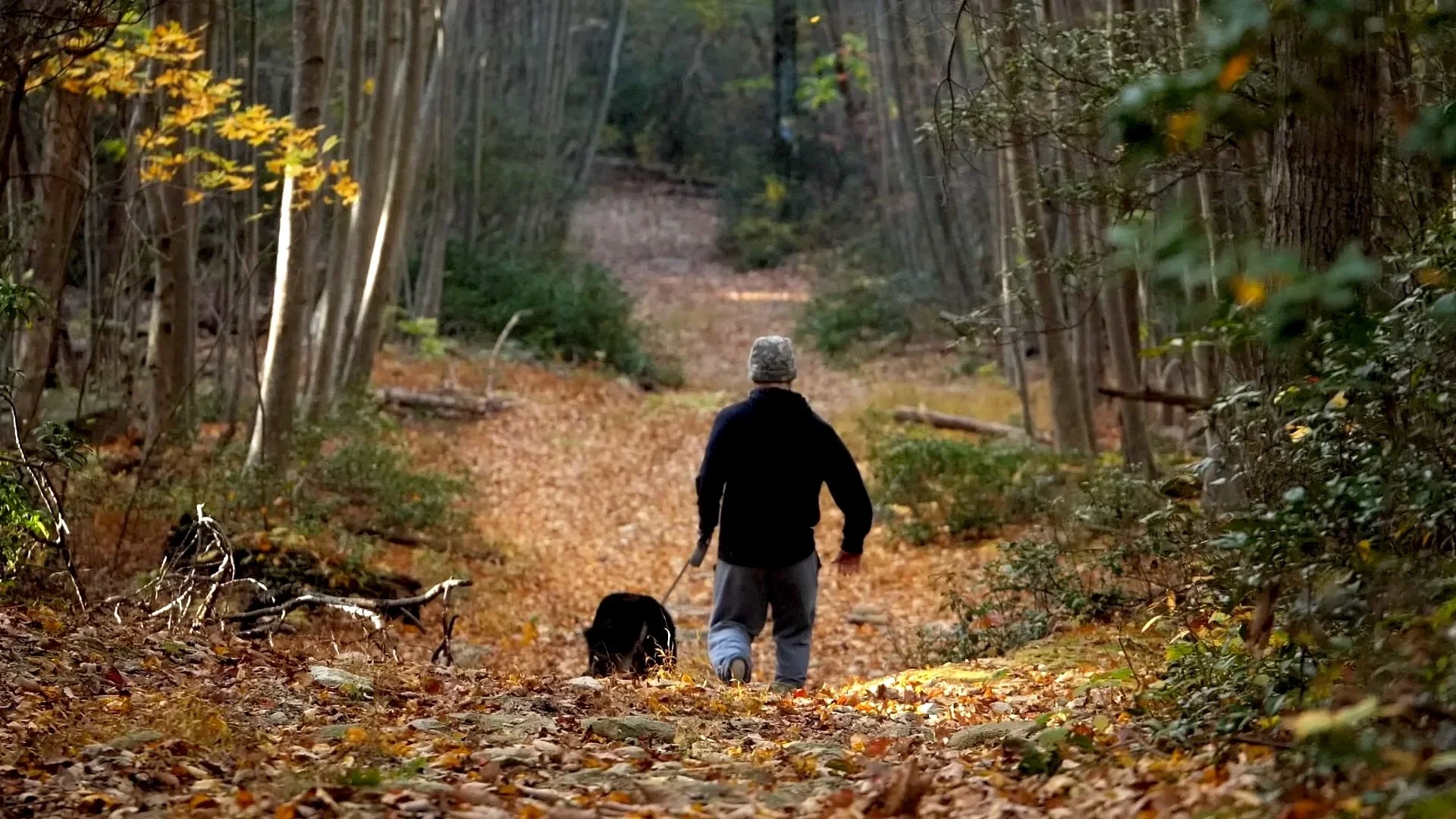
Watch the Trailer
John Godinet, an ultra-runner based in Maryland, is battling ALS (Amyotrophic Lateral Sclerosis). LOVING JOHN a PBS documentary, profiles John and his husband Peter, as Peter becomes John’s fulltime, 24/7 caregiver.
59 million Americans – nearly 1 in 5 working adults, like Peter, are family caregivers for an adult loved one, providing nearly 50 billion hours of unpaid care — equivalent to 17% of the U.S. full-time workforce. Almost half are the sole provider of care; almost half receive no formal support at all — no paid help, counseling, or respite — despite 88% saying they need more. Three in five are women.
A Cruel Disease

“I have never leaned on people before…I’ve never asked for anything.”
— JOHN GODINET
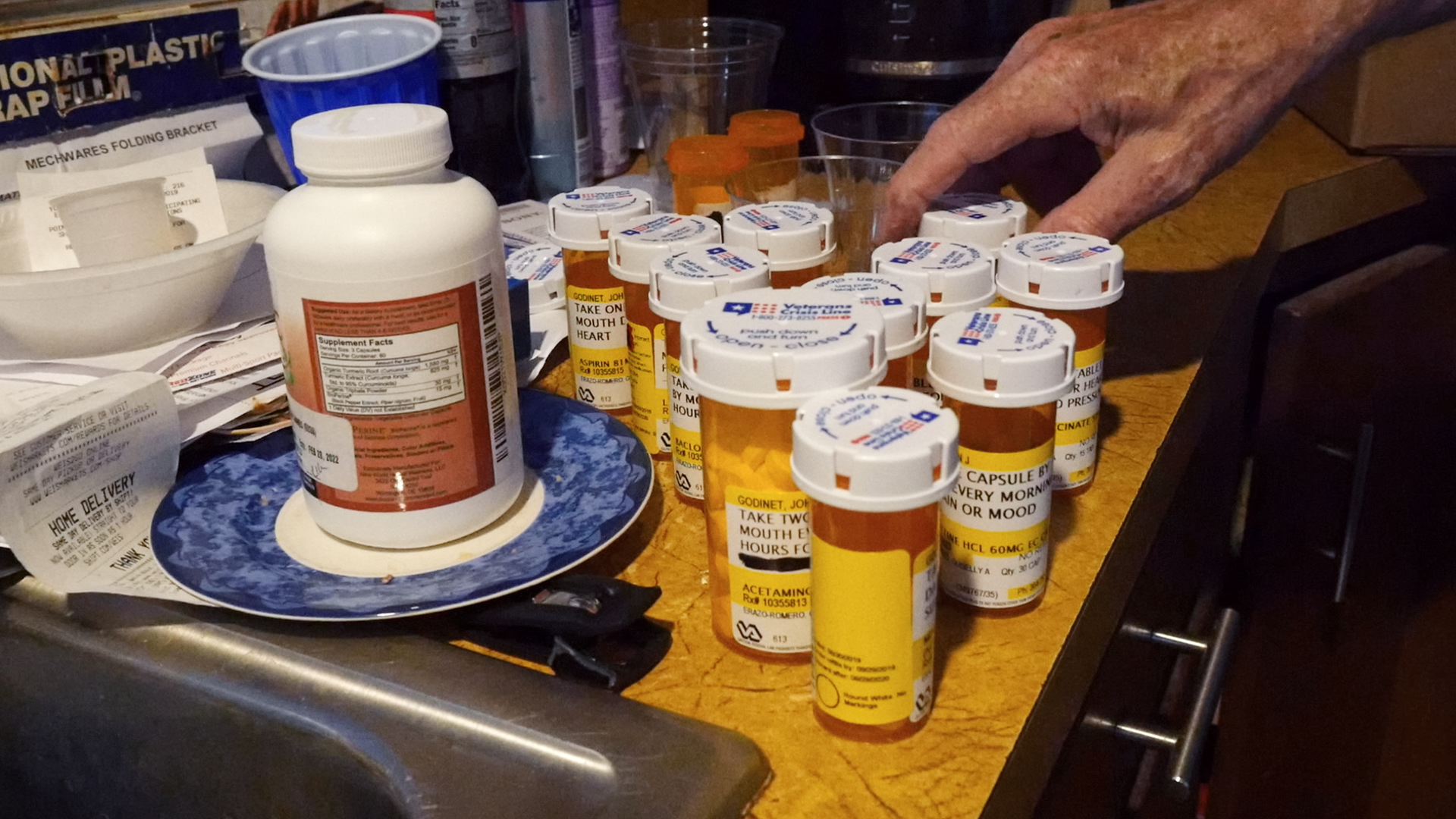
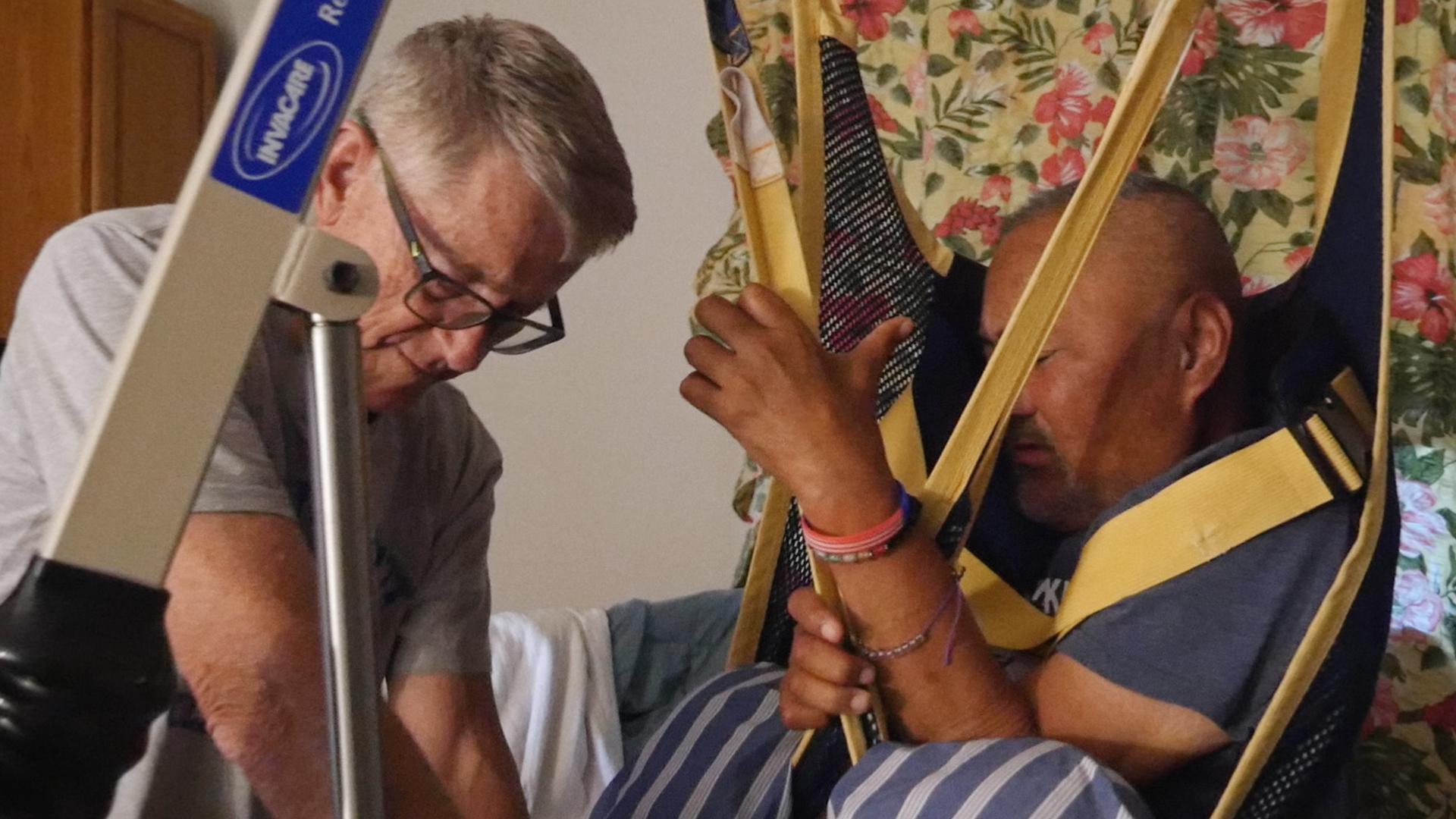
More than two thirds of ALS caregivers spend more than 30 hours a week in caregiving – and as the disease gradually deprives the patient of the ability to move, talk, eat, and breathe, the caregiving load increases dramatically. Caregivers find themselves taking on complex medical tasks otherwise handled by professionals.
The Cost of Commitment
Close to one-third of caregiver employees have chosen to leave a job because of their responsibilities – women twice as often as men. Two thirds of family caregivers have difficulty balancing their jobs with caregiving duties. Many diseases, like ALS, require a great deal of support equipment. More than two thirds of caregivers overall are financially struggling. Many live paycheck to paycheck.
The Time It Takes
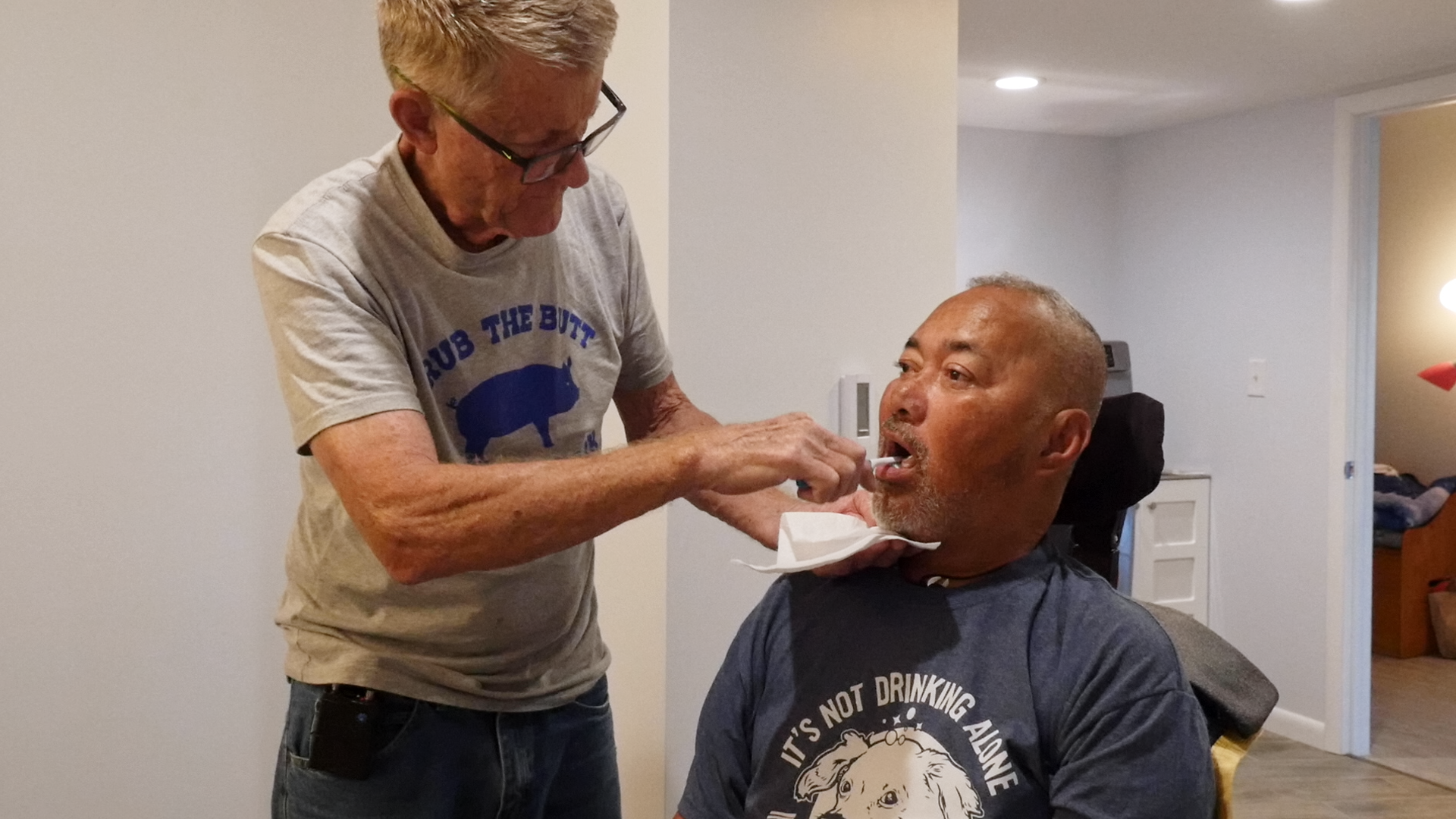
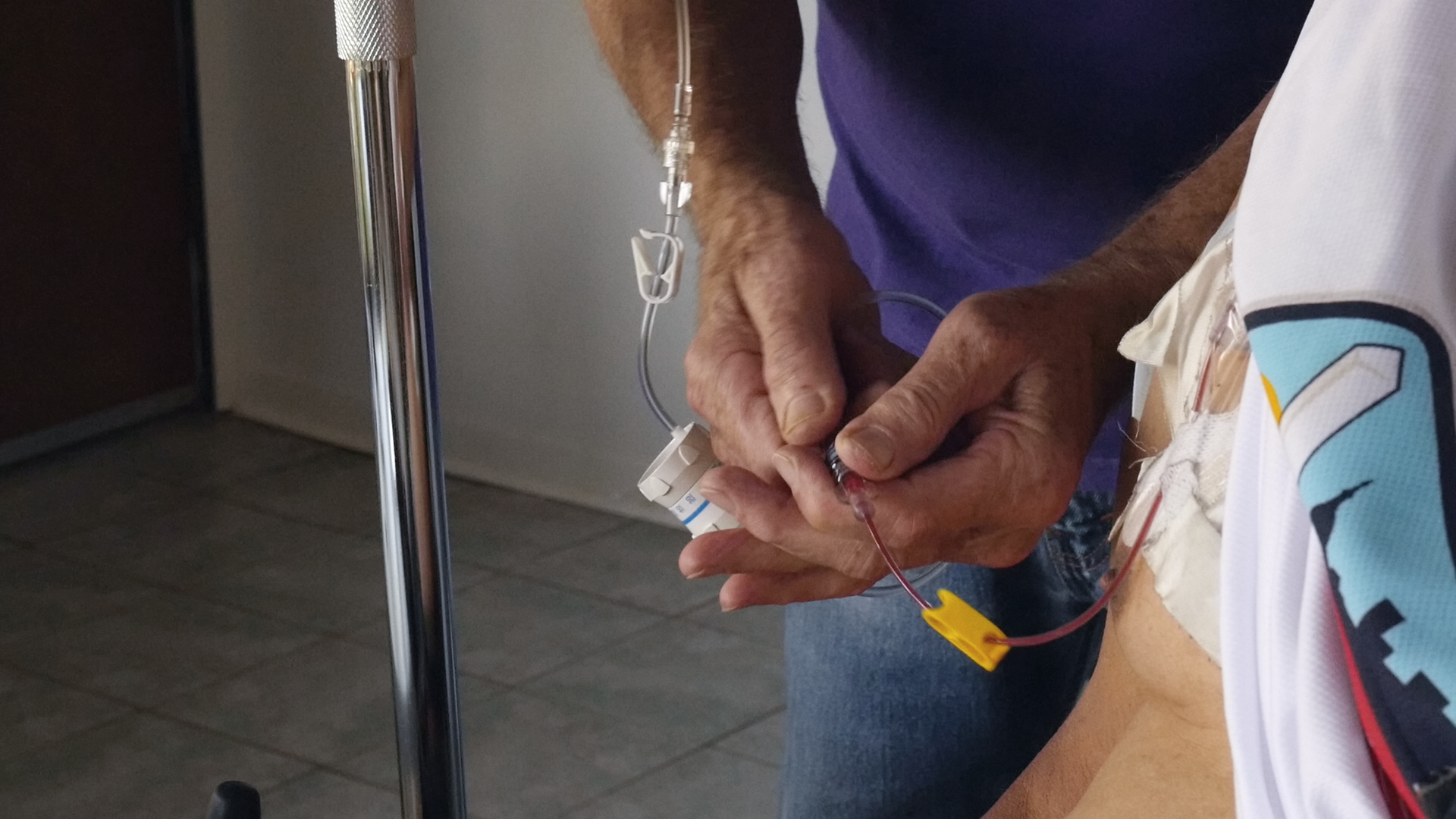
“I can’t be there 24/7, 365…That’s something I can’t physically or emotionally handle. I can’t do it.”
— PETER, JOHN’S HUSBAND
The Price That’s Paid
Many caregivers neglect their own wellness – giving up time with friends, and decreasing their exercise, sleep or relaxation time. More than two thirds suffer increased anxiety or depression. In a systematic review of ALS support groups, caregivers repeatedly said they had no one else to share their thoughts and emotions with, because they didn't believe someone could really understand what they were going through.
Respite care – where caregivers are given a much-needed break – can make a huge difference. 40 percent of caregivers rank it as their #1 need. The overwhelming majority of family caregivers in the U.S. get no respite care. Early on, the Veterans Administration provided this to Peter; later on, circumstances made this impossible.
A Genuine, Multi-Layered Film
In LOVING JOHN, Peter’s unending, stressful burden of caring for John is profoundly real in the way it overlaps with several other realities: as an aging gay couple, they face special challenges, beginning with John’s increasing disability and culminating in painful end-of-life decisions. As veterans, their lives intersect prominently with the Veterans Administration. As a Pacific Islander, John finds a both special strength and reminders of sexual trauma and discrimination.
“[Family caregiving] …is a foundational part of our economy and our care system, and it is time we start recognizing it that way.”
— DR. MYECHIA MINTER-JORDAN, AARP
Join Us!
We’re forming partnerships with those in the community of caregiving who can use LOVING JOHN to address caregivers’ needs – including financial support wherever possible; respite care on a regular basis; emotional support at times of setbacks: guidance in navigating medical care, costs, and insurance; and affirmation in the face of what can be an overwhelming task.
LOVING JOHN is a powerful tool that can be used a number of ways:
National PBS Broadcast reaching millions of viewers;
Screenings & Panel Discussions in partnership with colleges and universities;
Community Fundraisers with aligned organizations;
Custom Educational Tools for communities across the country.
Reach Out for More Information